2026-09-02 · Jordan Hale
Why Denver Basements Flood During the Spring Melt and Not the Summer Storms
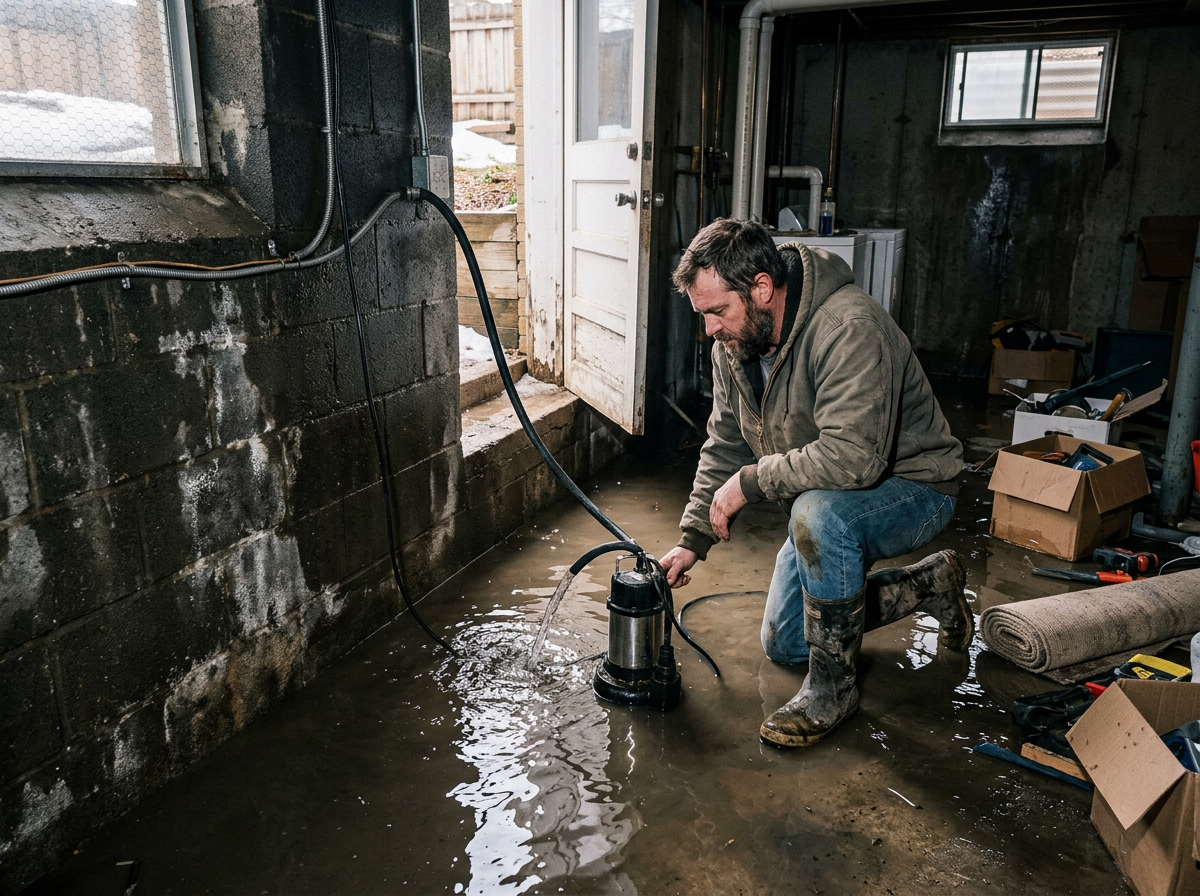
Denver basements see water during spring melt because the ground stays frozen into March and April, preventing absorption of the 15 inches of annual precipitation that arrives as snowpack. Summer storms drop rain on drier, thawed soil that takes in moisture more readily, so runoff rarely reaches foundations in volume. At 5,280 feet the freeze-thaw cycle and low humidity combine to push water along the surface until it finds an opening.
Spring Melt Dynamics at 5,280 Feet
March and April bring daytime highs that climb above freezing while nights drop back below, creating repeated freeze-thaw cycles. Snow accumulated over winter melts in stages and meets ground that remains frozen 12 to 18 inches deep. The meltwater cannot percolate downward, so it travels laterally across yards and driveways until it reaches the lowest point, often a basement window well or foundation crack. Low humidity at this elevation speeds surface drying yet leaves hidden moisture in wall cavities and under slabs. Homeowners notice the first signs when water appears along the east or north walls after a warm spell following heavy snow.
Soil and Drainage Challenges in Denver
Expansive bentonite clay underlies much of the metro area and swells when it finally takes on moisture, then contracts and cracks during dry periods. These cracks become pathways once the next melt arrives. Many homes built before modern grading standards sit with finished grade that slopes toward the foundation rather than away from it. French drains and sump systems help when they are present and clear, but older installations often fill with sediment from the clay-heavy runoff. Checking grade around the house and clearing window wells of leaves and debris reduces the volume that reaches the basement slab.
Contrast with Summer Storm Patterns
Summer thunderstorms deliver intense but brief rain, typically 0.5 to 1 inch in an hour, onto soil that has already thawed and can accept water. Evaporation rates remain high even after the rain stops because relative humidity often sits below 30 percent. The short duration and high absorption mean less water reaches the foundation in liquid form. When storms do produce flooding, it is usually from overwhelmed street drainage rather than direct foundation entry. Spring melt, by comparison, supplies a steady low-volume flow over days or weeks that finds every small opening.
Insurance Considerations for Spring Melt Events
Colorado policies commonly distinguish between sudden and accidental water loss and groundwater or surface-water flooding. Spring melt that enters through cracks or window wells is frequently treated as surface water and may fall outside standard coverage. Documenting the source with photos before any cleanup begins helps when filing a claim. If the water is clear and from snowmelt rather than a sewer line, it stays Category 1 and allows faster drying times of 3 to 5 days with proper airflow. Water extraction crews familiar with local clay soils know to pull baseboards early to prevent hidden mold growth behind them.
Related Local Factors Worth Checking
Swamp cooler supply lines that run through ceilings can add water during the same weeks when meltwater is present, compounding the problem. Swamp Cooler Leaks: The Denver Water Damage Nobody Plans For explains how to inspect those lines before the season starts. Burst pipes from the same freeze-thaw cycle appear once temperatures rise, and Burst Pipe Water Damage covers the steps to isolate those leaks quickly. Tracking the date of the last hard freeze helps homeowners separate meltwater from other sources when water appears.
Practical Takeaway
Walk the perimeter after each warm spell in March and April, clear window wells, and confirm that downspouts discharge at least 5 feet from the foundation. Note any new cracks in the slab or walls and photograph them. If water does appear, remove standing water within 24 hours and run air movers to keep drying times under 5 days. These steps address the specific conditions created by Denver's elevation, clay soils, and spring melt cycle.